The sewer line is one of the most important components of a home’s plumbing system because it safely carries wastewater away from sinks, toilets, showers, and appliances. Since the pipe is buried underground, homeowners often do not realize there is a problem until they experience slow drains, recurring clogs, unpleasant odors, or sewage backups. Ignoring these warning signs can allow the damage to worsen, leading to more extensive repairs and possible property damage.
Understanding Sewer Line Repair Castle Rock process helps homeowners know what to expect from the initial inspection through the final testing phase. A well-planned repair restores proper drainage while protecting the home’s plumbing system for years to come.
What Are the Common Signs That a Sewer Line Needs Repair?
The sewer line repair process usually begins after homeowners notice warning signs that indicate a problem somewhere within the drainage system. One of the most common symptoms is multiple drains throughout the home becoming slow at the same time. Toilets may flush poorly, sinks may drain slowly, and bathtubs may begin backing up without an obvious cause. When several plumbing fixtures experience problems simultaneously, the issue often extends beyond an individual drain. Early recognition of these symptoms allows repairs to begin before the damage becomes more severe.
Additional warning signs may include foul sewage odors, gurgling sounds coming from drains, unusually green patches of grass above underground sewer lines, or wastewater backing up into lower-level plumbing fixtures. Some homeowners may also notice recurring drain clogs that return shortly after being cleared. These symptoms often indicate a blockage, pipe damage, or root intrusion somewhere within the sewer line. Ignoring these signs can allow wastewater to escape underground or increase the risk of a complete sewer line failure. Prompt inspection is the first step toward preventing larger plumbing problems.
How Does the Sewer Line Inspection Process Work?
Every sewer line repair process starts with a detailed inspection to determine the exact location and cause of the problem. Rather than digging immediately, professional plumbers often use specialized sewer camera equipment that travels through the pipe to provide a real-time view of its interior condition. This technology allows technicians to identify cracks, collapsed sections, root intrusion, corrosion, grease buildup, or foreign objects that may be blocking wastewater flow. Accurate diagnosis eliminates unnecessary excavation and helps create a more efficient repair plan. Thorough inspections are essential for selecting the proper repair method.
During the inspection, plumbers also evaluate the overall condition of the sewer system, not just the visible problem area. Older pipes may contain multiple weak sections that could require attention even if only one area is currently causing symptoms. The inspection also helps determine the pipe material, depth, accessibility, and extent of any structural damage. Gathering this information allows technicians to recommend the most appropriate long-term solution. A complete evaluation reduces the likelihood of future sewer problems.
How Is the Sewer Line Repair Plan Created?
After the inspection has been completed, the repair process moves into the planning stage. The plumber reviews the inspection findings and determines whether the damage requires a localized repair, partial pipe replacement, or a more extensive restoration. Factors such as the age of the sewer line, the severity of the damage, soil conditions, and the accessibility of the affected area all influence the repair strategy. Every property requires a customized repair plan based on its unique conditions. Careful planning improves both efficiency and long-term reliability.
The repair plan also considers how to minimize disruption to the property whenever possible. Depending on the location of the damaged pipe, technicians evaluate landscaping, sidewalks, driveways, utility lines, and nearby structures before beginning excavation or repair work. Planning helps reduce unnecessary disturbance while ensuring safe access to the damaged sewer line. Homeowners benefit from understanding the repair timeline and the work that will be performed before construction begins. Clear communication supports a smoother repair experience.
What Happens During the Sewer Line Repair?
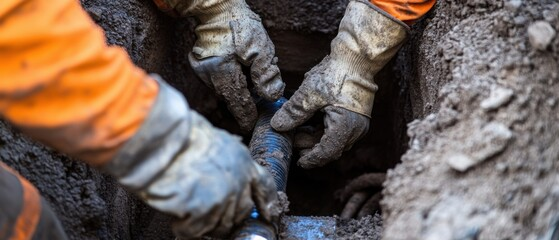
Once the repair plan has been approved, work begins by safely accessing the damaged section of the sewer line. If traditional excavation is required, the affected area is carefully exposed while protecting nearby utilities and surrounding structures. After the damaged pipe is uncovered, technicians remove the deteriorated section and install new piping that restores proper wastewater flow. Every connection is carefully aligned and secured to reduce the risk of future leaks or shifting. Precision during installation is essential for long-term performance.
In situations where the existing pipe is suitable for less invasive restoration, trenchless repair methods may also be considered. These techniques are designed to reduce surface disruption while restoring the functionality of the sewer line under appropriate conditions. The selected repair method depends entirely on the inspection findings and the overall condition of the pipeline. Regardless of the repair approach, every section of the sewer line is carefully evaluated before the work is considered complete. Quality workmanship helps maximize the lifespan of the repaired plumbing system.
How Is the Sewer Line Tested After Repairs?
After the damaged pipe has been repaired or replaced, the sewer line undergoes thorough testing to verify that wastewater flows correctly throughout the system. Water is introduced into the plumbing system while technicians observe the repaired section for proper drainage, secure connections, and the absence of leaks. If camera inspection equipment is used again, it confirms that the repaired pipe is properly aligned and free of remaining obstructions. Final testing provides confidence that the repair has been completed successfully. Verification is an important part of every professional repair process.
Once testing confirms proper operation, the excavation area is carefully restored. Soil is compacted, disturbed landscaping is repaired as much as possible, and any affected surfaces are returned to a stable condition. Although surface restoration varies depending on the project, the goal is to leave the property in good condition after the plumbing work has been completed. Proper restoration completes the repair process while protecting the surrounding property. Attention to detail extends beyond the plumbing itself.
How Can Homeowners Prevent Future Sewer Line Problems?
Preventive maintenance is one of the most effective ways to reduce the likelihood of future sewer line repairs. Homeowners should avoid flushing paper towels, wipes, hygiene products, grease, cooking oil, coffee grounds, and other materials that can accumulate inside sewer pipes. Even products marketed as flushable may contribute to long-term blockages when combined with other debris. Proper waste disposal helps maintain unrestricted wastewater flow throughout the plumbing system. Everyday habits have a significant impact on sewer line health.
Routine plumbing inspections also help identify developing sewer problems before they become emergencies. Homes with mature trees near underground sewer lines may benefit from periodic inspections that monitor root intrusion. Addressing minor cracks, small blockages, or early signs of pipe deterioration often prevents more extensive repairs later. Regular maintenance protects both the plumbing system and the property’s value. Prevention is always more economical than major restoration.
When Should You Call a Professional for Sewer Line Repair?
Homeowners should contact a plumbing professional whenever they experience recurring drain backups, multiple slow drains, persistent sewage odors, or wastewater backing up into sinks, tubs, or toilets. These symptoms often indicate problems within the main sewer line that cannot be resolved through simple drain cleaning alone. Professional inspections identify the exact cause of the issue before unnecessary repairs are performed. Early diagnosis reduces the risk of more extensive property damage. Prompt action protects the home’s plumbing system.
Professional plumbers have specialized equipment and experience that allow them to inspect underground sewer lines accurately and recommend the most effective repair method. Their knowledge helps ensure repairs restore proper wastewater flow while complying with current plumbing standards. Investing in professional sewer line repair helps minimize future plumbing issues while extending the life of the entire drainage system. Reliable repairs provide homeowners with greater confidence and long-term peace of mind.
Final Thoughts
The sewer line repair process involves much more than simply replacing a damaged pipe. From the initial inspection and accurate diagnosis to careful planning, professional repairs, thorough testing, and preventive maintenance recommendations, every step is designed to restore safe and reliable wastewater flow. Recognizing warning signs early and addressing sewer line problems promptly helps homeowners avoid costly structural damage, sewage backups, and plumbing emergencies. By understanding how the sewer line repair process works, homeowners can make informed decisions that protect both their plumbing system and their property’s long-term value.